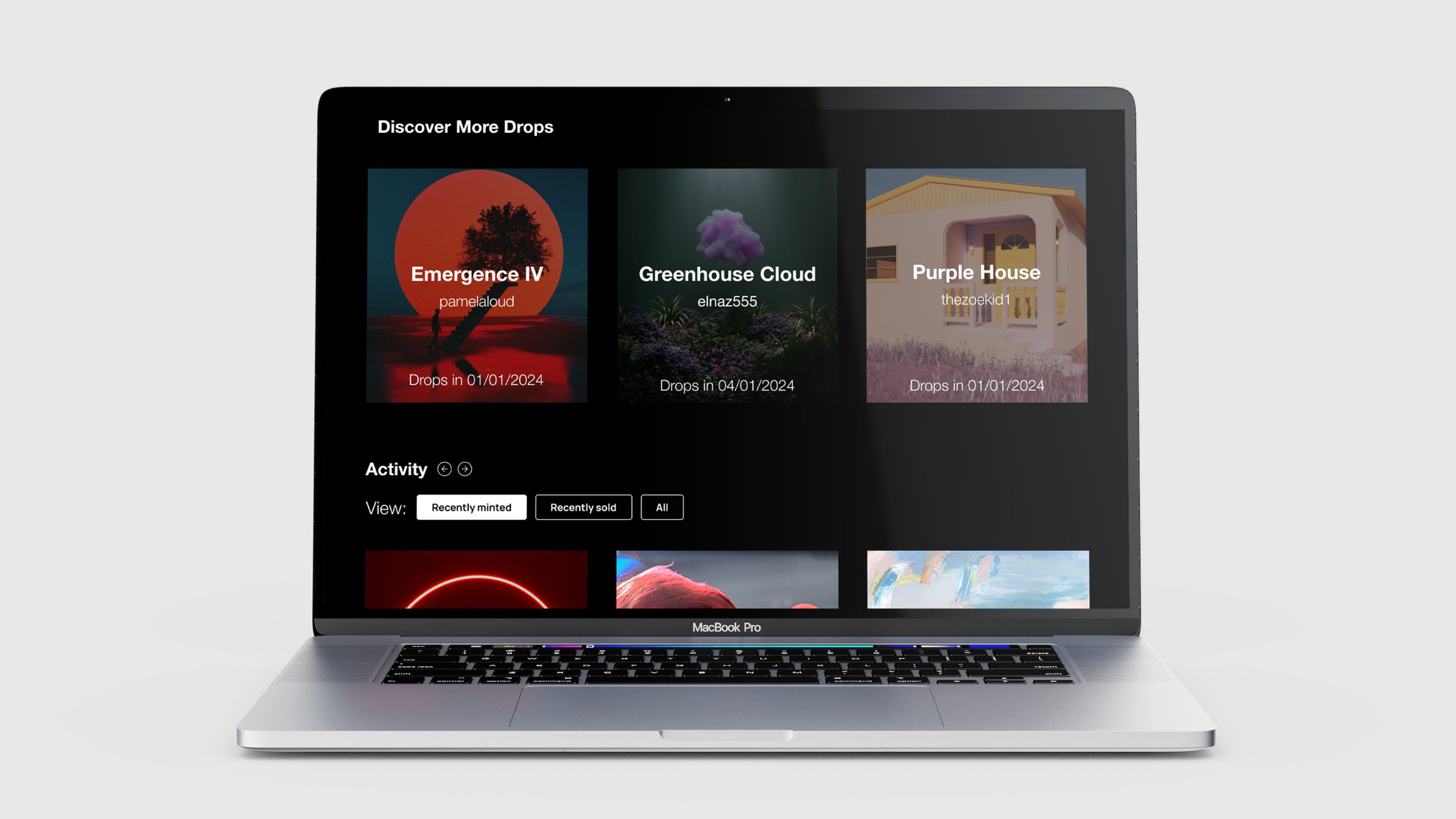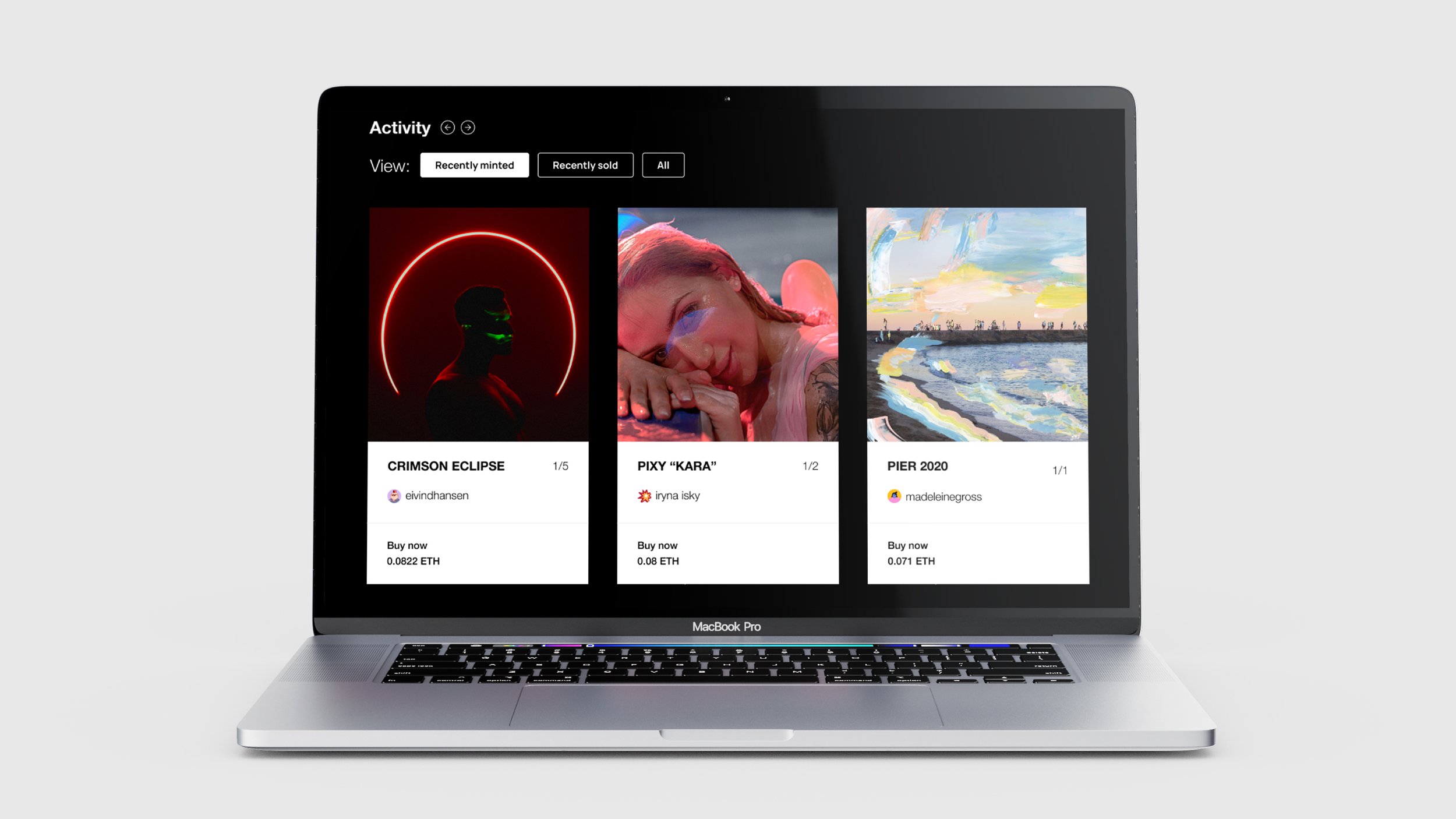

Brief
A brand built from the ground up for a new digital collectibles platform launching inside an established photography community (500px). And the real challenge was making something unfamiliar feel trustworthy overnight.
Industry
Technology / Photography & Digital Collectibles (NFT)
Scope
Brand identity from the ground up, creative direction, launch campaign
My Role
Lead Brand Designer & Creative Director
Deliverables
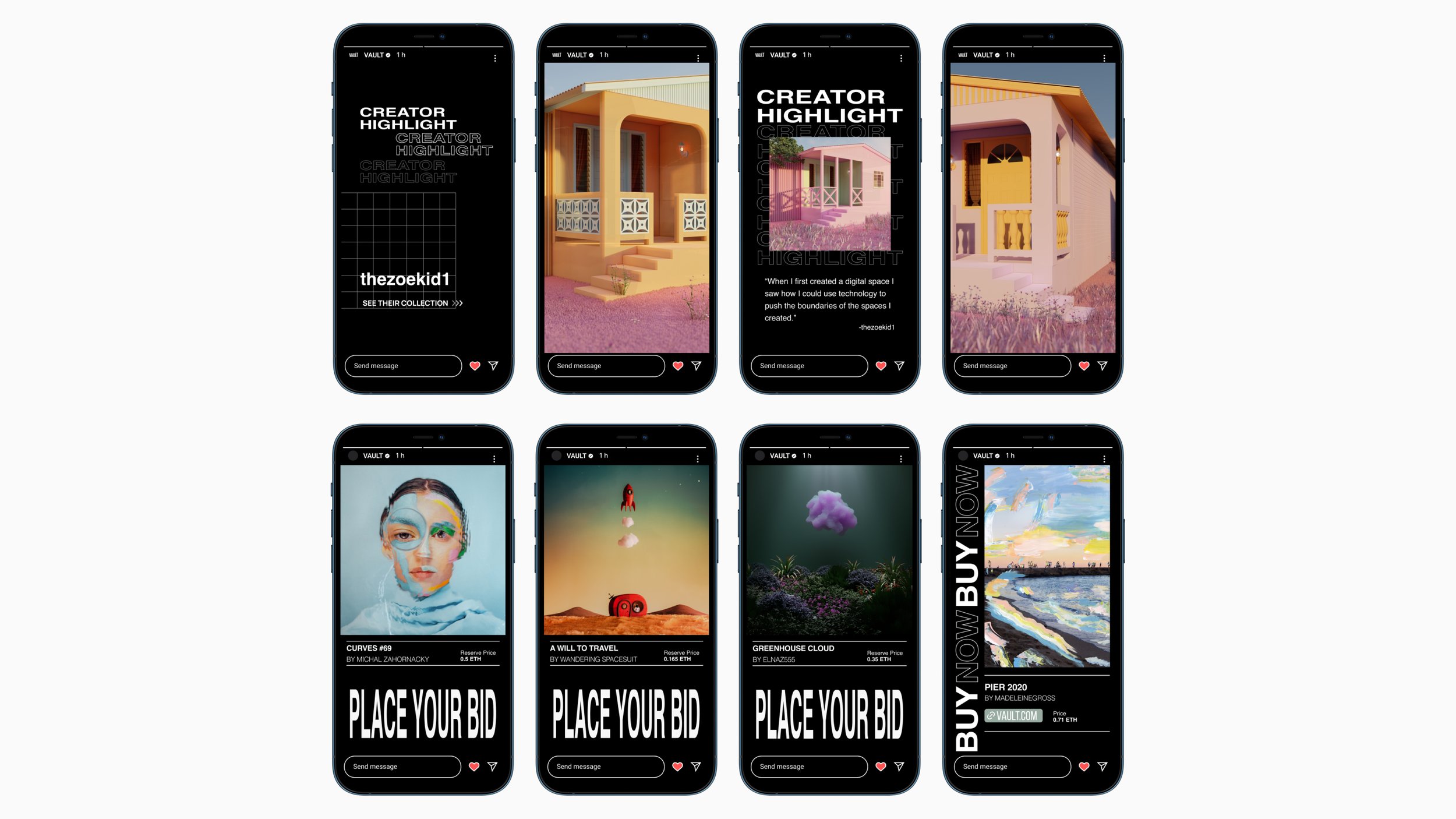
Full visual identity system, logo direction, typography, colour palette, image treatment, social media visuals, motion assets, launch campaign assets
1
The situation
500px had spent over a decade building trust with photographers. A global community of serious creatives who cared about craft, ownership, and being taken seriously. When the company decided to launch VAULT: a new platform for limited-edition digital photography collectibles; that trust became both the biggest asset and the biggest risk.
The surface brief was: build the brand from scratch. The real brief was: build something new without breaking what already existed. VAULT needed its own identity, its own voice, its own visual world; needed to be distinct enough to feel like a genuine product, not a bolt-on, but coherent enough to carry the credibility 500px had spent fifteen years earning.
2
The real problem
Digital collectibles were, at the time of launch, deeply polarising inside creative communities. Photographers who had spent years fighting for image rights and fair compensation were understandably sceptical of a new ecosystem they didn't fully understand and didn't yet trust.
The brand problem wasn't visual. It was about credibility in a space that had very little of it. Every decision (the name, the aesthetic, the tone, the way the launch was framed) had to answer the same question before a photographer would even consider engaging: is this built for me, or is this built to extract value from me?
VAULT needed to communicate premium, trustworthy, and photographer-first before anyone had used the product or seen a single drop.
3
The process
I started with market research across the digital collectibles landscape. I studied how existing platforms positioned themselves, what visual languages they used, and what they got wrong. What I found was a category that had defaulted almost universally to the same aesthetic: dark backgrounds, neon accents, aggressive futurism. It looked like it was designed for speculation, not for art.
That was the opening.
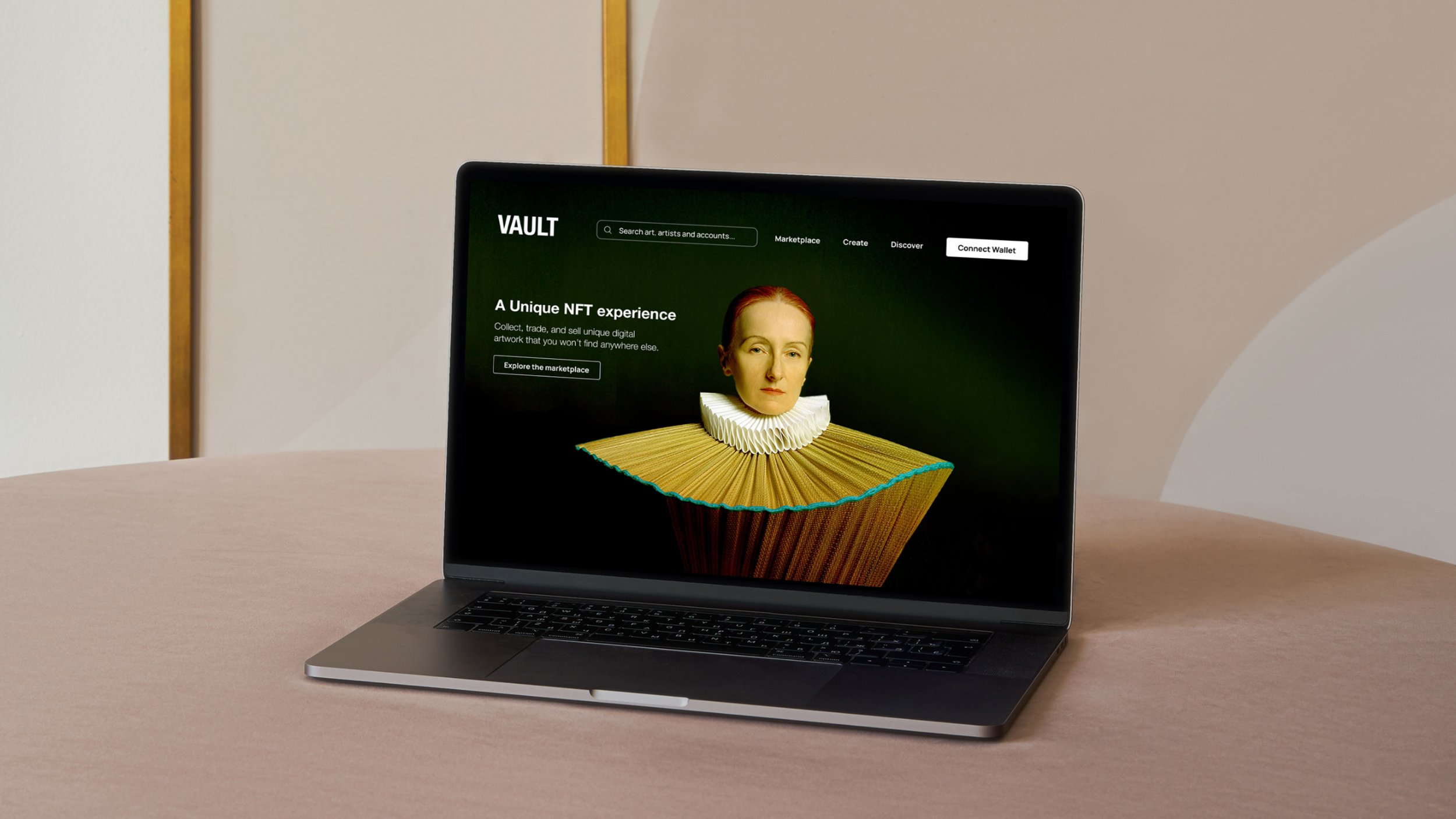
VAULT would go the other direction: restrained, premium, clean. A visual language closer to a high-end gallery than a trading platform. The colour palette was deliberately minimal. The typography serious. The image treatment gave photographers' work the space it deserved rather than competing with it. The identity said: this is a place where the work matters.
The campaign direction followed the same logic. Rather than leading with the technology, I framed the launch around the photographers themselves: their practice, their vision, their work. The brand story wasn't "here's a new platform." It was "here's a new way to own something rare, made by someone whose craft you respect."
4
A detail worth noting
The hardest creative decision was what VAULT shouldn't look like. Restraint in brand design is always a deliberate choice. It requires resisting the pull toward the obvious aesthetic of the category you're entering. For VAULT, entering a space saturated with visual noise and choosing quiet took more conviction than following the trend would have. That restraint became the brand's primary differentiator on launch day.
5
The Outcome
VAULT launched with a cohesive identity that read as credible and premium from day one, which was for a brand-new product in a sceptical market. The visual system provided a stable foundation for subsequent drops, partnerships, and campaigns, and the launch assets successfully introduced the 500px community to a new model of creative ownership on their own terms.